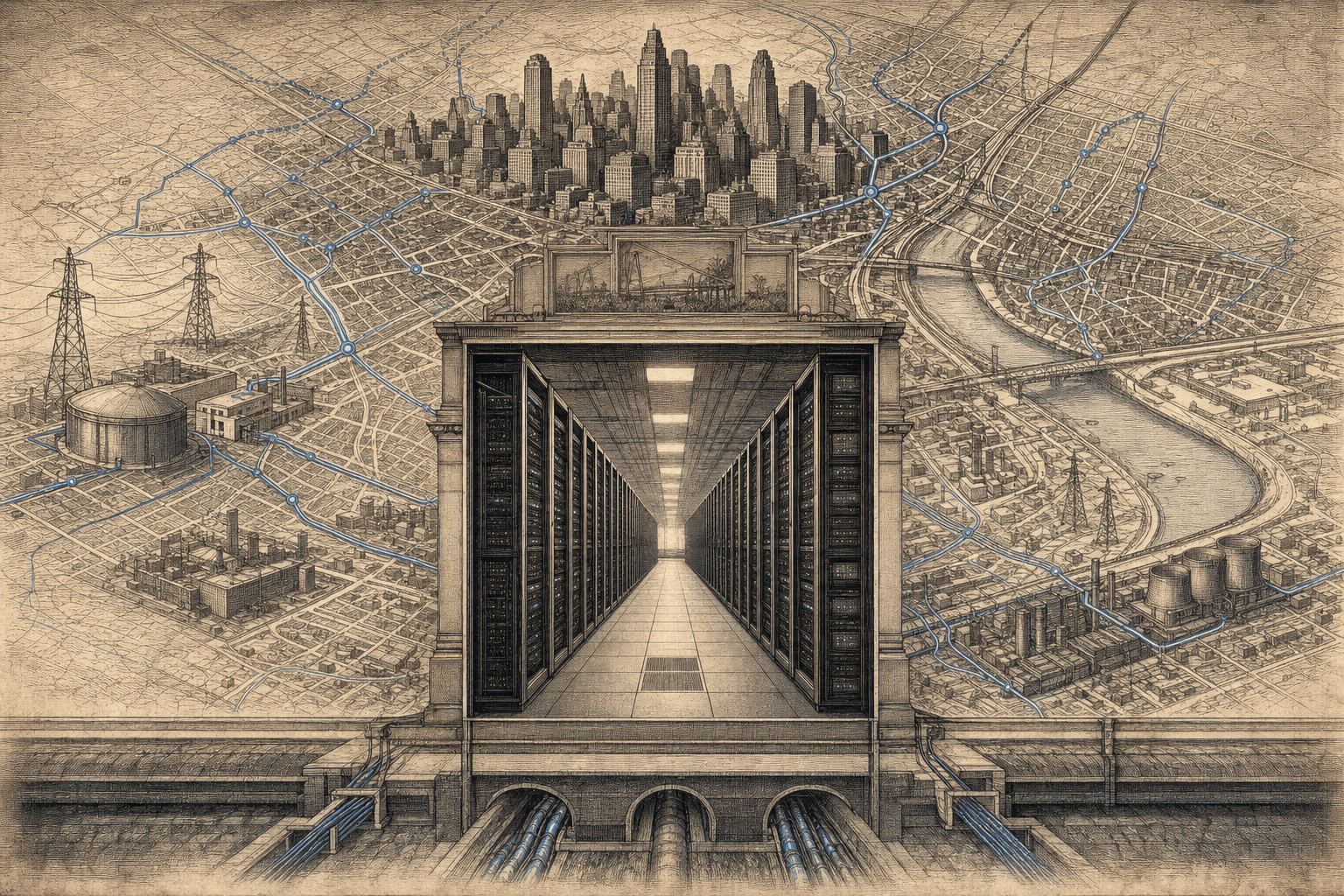
A new map of 4,283 U.S. data centers finds that nearly all sit in metropolitan or micropolitan areas, tied closely to inherited power infrastructure.
Editorial illustration
Editorial concept art about the urban geography of data centers; it is not a photograph, a facility inventory or a map of the study's exact sites. Original editorial concept art generated with built-in Codex Image Gen for The Machine Press, 2026-08-01.
New York University researchers mapped 4,283 data centers across the contiguous United States and report that 97.5% are in metropolitan or micropolitan areas; the remainder average only 8.5 miles from an urban edge. Five metro areas contain nearly a third of the facilities, and electricity capacity was the strongest predictor of location. The Nature Cities analysis describes siting patterns, not the environmental performance of every facility.
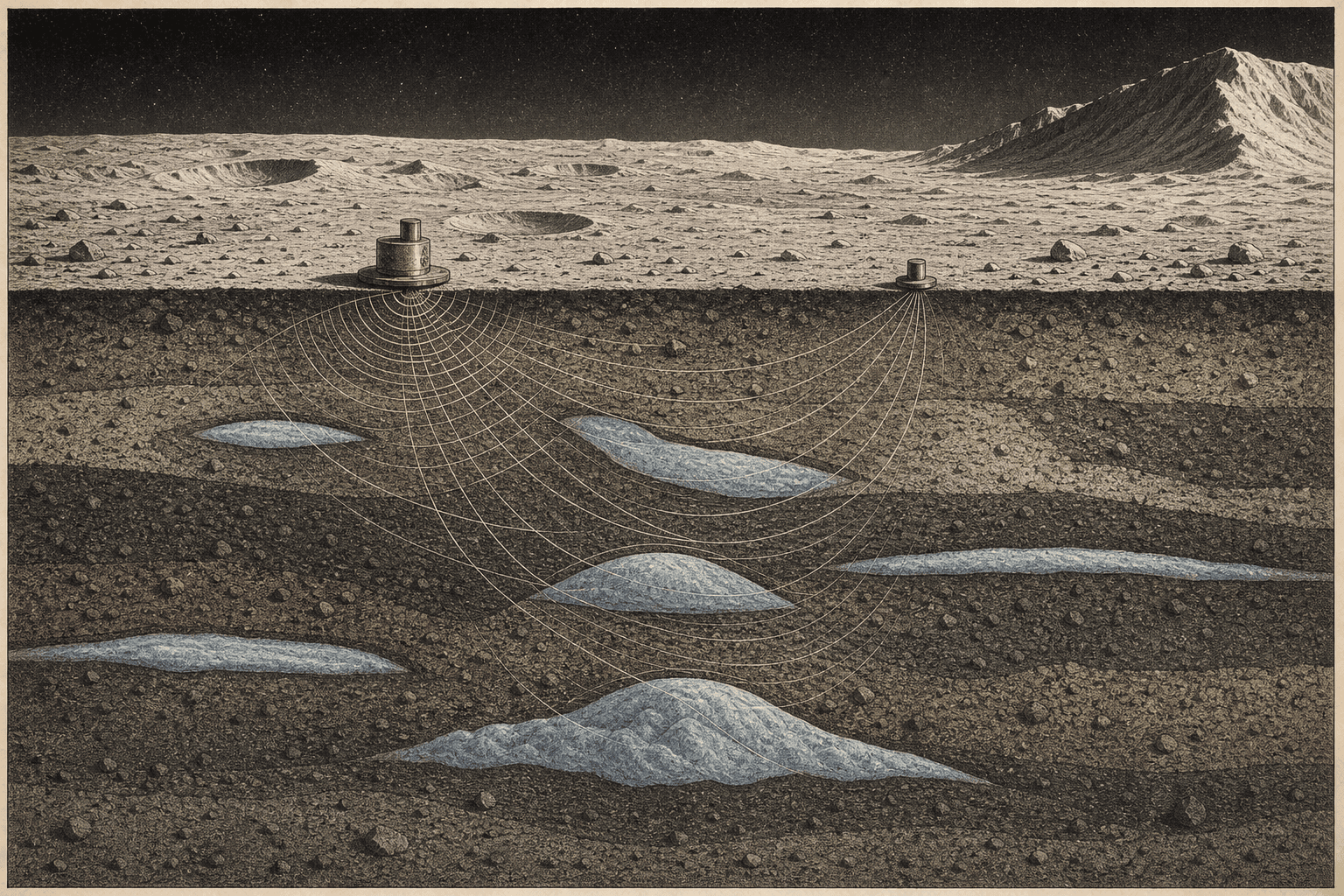
Editorial concept art of a proposed seismic search for lunar ice; it is not a field result, mission photograph or confirmed deposit map. Original editorial concept art generated with built-in Codex Image Gen for The Machine Press, 2026-08-01.
Laboratory measurements and models suggest that lunar ice geometries could leave distinct seismic signatures, offering a possible way to search below the surface.
Researchers from UC Berkeley, the University of Maryland and the University of Hawaii used a 15-inch cryogenic vacuum chamber, simulated lunar soil and microtomography to study how ice changes seismic behavior. Their model predicts that different deposits could produce distinguishable signatures down to roughly 800 meters. The work proposes a method for future instruments; it has not yet detected an ice deposit on the Moon and still needs field validation.
A South African comparison found doravirine noninferior to dolutegravir while producing more favorable weight and lipid outcomes.
The Opti-DOR trial in rural KwaZulu-Natal and urban Gauteng compared tenofovir-lamivudine-doravirine with the country's standard tenofovir-lamivudine-dolutegravir regimen. Researchers report that doravirine was noninferior for viral suppression and was associated with less weight gain and better lipid measures. The result offers another treatment option; individual prescribing still depends on clinical guidance and access.
Illustrative fiber-optic macro file image; it does not depict Rubin Observatory, the COSMOS field or astronomical data from EDP2. Atlantic Ambience / Pexels; cropped, resized, metadata stripped, and converted to WebP by The Machine Press.
The observatory's second early data preview combines hundreds of looks at a famous field containing more than half a million galaxies.
The NSF-DOE Vera C. Rubin Observatory released a deeply stacked image of the COSMOS field made from hundreds of observations. The field contains more than 500,000 galaxies and over 50,000 Milky Way stars. The wider Early Data Preview 2 validation campaign, gathered from April 2025 through January 2026, covers about 3,000 square degrees; it is an early science product, not the full ten-year survey.
Mouse experiments indicate that TRF2 preserves muscle stem-cell identity rather than merely protecting chromosome ends.
University of Pennsylvania researchers found that removing TRF2 from muscle stem cells caused them to lose their defining identity instead of simply dying. Injured mouse muscle then regenerated poorly and accumulated scar and fatty tissue; removing the protein also accelerated disease in a Duchenne muscular dystrophy model. The findings are mechanistic mouse results, not a treatment tested in people.
A five-year intensive-care initiative paired nurse education and risk review with a sustained reduction in unplanned extubations.
A nurse-led quality-improvement effort in St. Joseph's Health's 28-bed medical intensive-care unit followed 343 unplanned extubations. After the rate peaked at 2.0 per 100 ventilator days in late 2018, the unit reports it remained below 0.7 through 2023, compared with a stated 1.06 benchmark; 82 patients required reintubation. This is a long-running single-unit improvement report, not a randomized trial.
Preclinical work links STUB1, SIRT6 and NRF2 to stronger antioxidant defenses after spinal-cord injury.
Researchers report that STUB1 stabilized SIRT6 through K63-linked ubiquitination, supporting NRF2 antioxidant signaling after spinal-cord injury. In mice, activating the pathway reduced ferroptosis and axon damage and improved motor recovery. The study identifies a preclinical target; it does not establish a human therapy or prove that the same intervention will be safe in patients.
Preclinical studies linked microbiome shifts to slower liver clearance and greater tumor delivery of nanoparticle chemotherapy.
MD Anderson researchers found that metronidazole reshaped gut bacteria, bile acids and liver Kupffer-cell activity in preclinical models, roughly doubling the circulation time of a nanoparticle chemotherapy and increasing tumor accumulation. A fecal microbiota transfer reproduced key effects without antibiotics across models of colon, breast, melanoma and pancreatic cancers. The work is preclinical and does not establish a treatment regimen for people.
Illustrative laboratory-glassware file image; it does not show the DELFI assay, a blood sample or a participating laboratory. Rodolfo Clix / Pexels; cropped, resized, metadata stripped, and converted to WebP by The Machine Press.
An AI fragmentome classifier was evaluated in Guatemala and Romania, where liver-cancer causes and patient backgrounds differ.
Johns Hopkins researchers evaluated a DELFI blood assay in 377 people with and without hepatocellular carcinoma in Guatemala and Romania. The fragmentome classifier retained performance across the distinct populations; combining it with alpha-fetoprotein, age and sex improved sensitivity, while a MethID method helped trace tissue origins. The international study is a validation step, not a completed prospective screening program.
Cell and disease models show how scarcity of one amino acid can stall production of arginine-rich MHC-I proteins.
Rockefeller University researchers report that low arginine stalls ribosomes while they translate arginine-rich MHC-I, or HLA, proteins, reducing the antigen display that helps immune cells spot threats. The team observed the mechanism in cell, cancer, influenza and SARS-CoV-2 models, and moderate supplementation rescued gene expression experimentally. The work is mechanistic and is not clinical advice to take arginine supplements.
Field trials suggest that a molecule used in bacterial communication can promote growth beyond the plant where it was discovered.
Researchers isolated a signaling molecule from a beneficial bacterium associated with citrus roots and report growth gains in field trials involving pepper, celery and mustard. The result points toward microbe-derived inputs that could supplement conventional fertilizer. It is an early agricultural finding: performance across climates, soils and commercial scales remains to be established.
A greenhouse study used oxygen nanobubbles to keep rice-root soil more oxidizing and shift cadmium into less mobile forms.
Researchers report that oxygen-nanobubble-loaded biochar released oxygen around rice roots in flooded soil, maintained more oxidizing conditions and converted mobile cadmium into more stable fractions. Treated greenhouse plants accumulated less cadmium in roots and shoots while microbial and growth measures improved. The experiment is not yet proof of durable, field-scale remediation.
Interviews with Black and Hispanic parents and clinicians identified trust, material hardship and consent design as enrollment factors.
UT Southwestern researchers interviewed 60 Black or Hispanic parents of children with cancer and 15 Dana-Farber clinicians about clinical-trial participation. Seventy-three percent of families reported material hardship; participants also described trust, altruism, consent readability and clinician gatekeeping as factors. The single-center qualitative study surfaces actionable barriers but does not measure whether a specific intervention raises enrollment.
Illustrative rendered chip file image; it does not depict Nabsys hardware, Indiana University equipment or a clinical genome map. Wikideas1 / Wikimedia Commons (CC0 1.0); cropped and converted to WebP by The Machine Press.
Nabsys and Indiana University began a multiyear effort to evaluate the platform for hematologic malignancies.
Nabsys announced a multiyear research collaboration with Indiana University to develop and evaluate electronic genome mapping applications in hematologic malignancies. The method is intended to resolve structural variation electronically. This is a company-announced research agreement and platform-development program; it is not a clinical performance result, regulatory clearance or demonstrated patient benefit.
Langley's Flight Dynamics Research Facility brings free-flight and mounted model testing under one modern roof.
NASA opened the Flight Dynamics Research Facility at Langley Research Center in Hampton, Virginia, on July 31. The 25,000-square-foot facility includes a 20-foot chamber, four 750-horsepower motors and air speeds up to 117 mph, about twice the capability of the tunnel it replaces. NASA says it will support aircraft, drones, rockets and returning space-capsule models; those are planned research uses, not completed test results.
NASA and SpaceX published results from re-entry tests spanning subsonic, transonic and supersonic conditions.
NASA described tests of a 1.2%-scale Super Heavy Version 3 model at Ames, measuring steady and unsteady aerodynamic forces during simulated re-entry. The campaign covered Mach 0.2 to 1.4 and Mach 1.55 to 2.5 and is intended to inform flight and load software for the Starship launch system. These are wind-tunnel measurements on a scale model, not a full-scale flight demonstration.
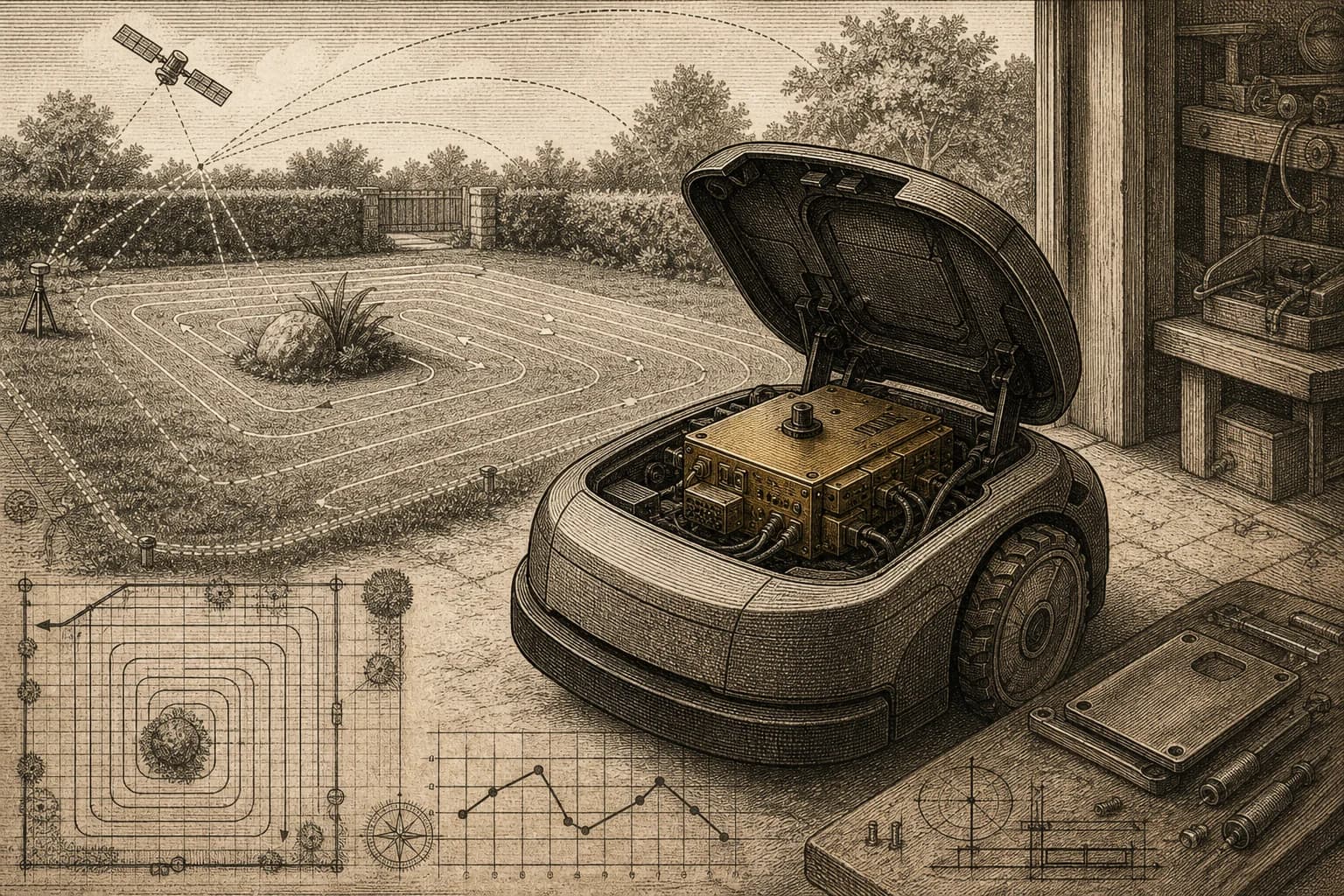
Replaces the controller in compatible low-cost robot mowers with custom open hardware and software for mapped, GPS-guided mowing without a perimeter wire.
Visit OpenMowerOriginal editorial concept art generated with built-in Codex Image Gen for The Machine Press, 2026-07-26.
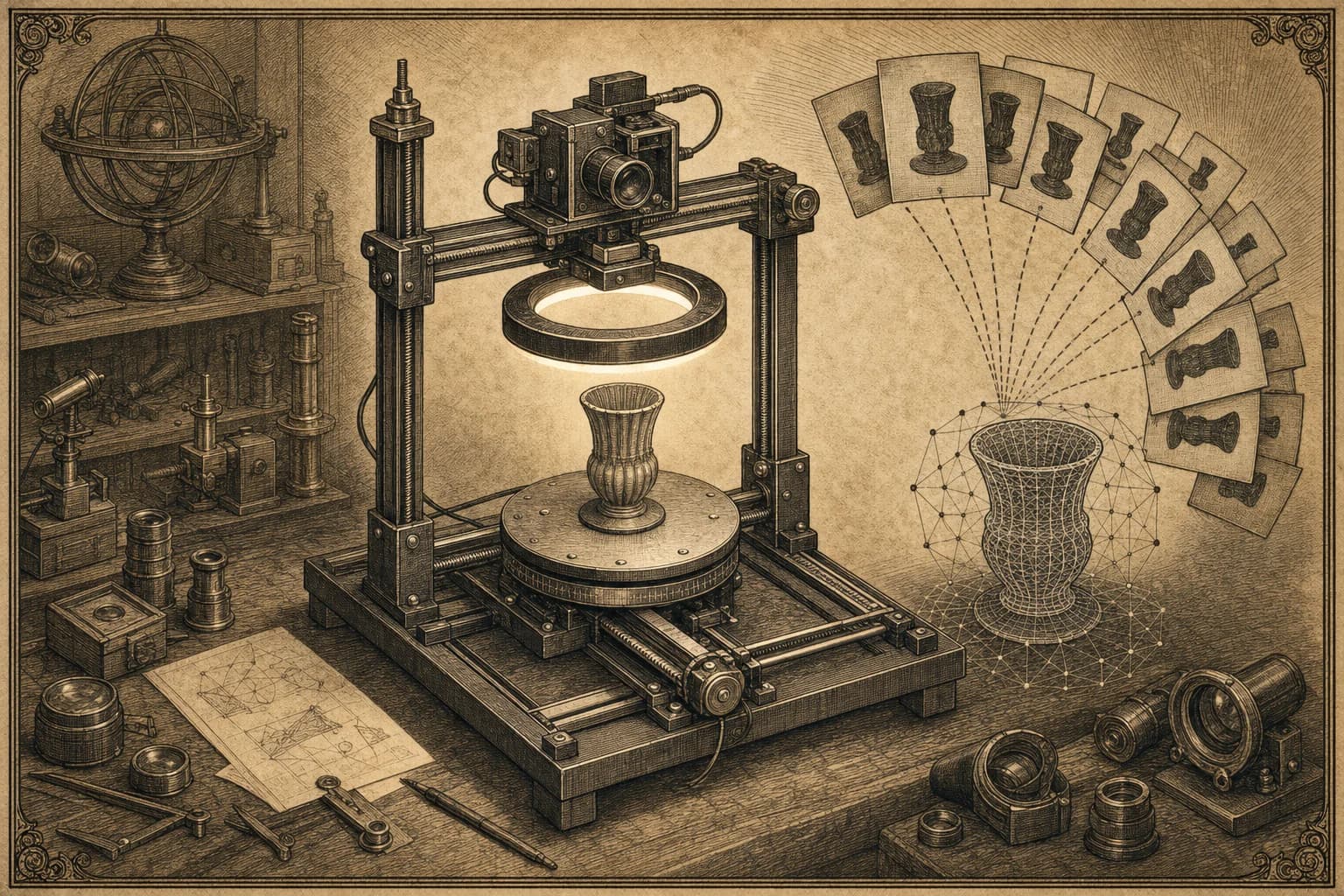
Automates repeatable photogrammetry with a Raspberry Pi-controlled camera, motors, and modular printable rigs that feed many views into a 3D reconstruction.
Visit OpenScanOriginal editorial concept art generated with built-in Codex Image Gen for The Machine Press, 2026-07-26.
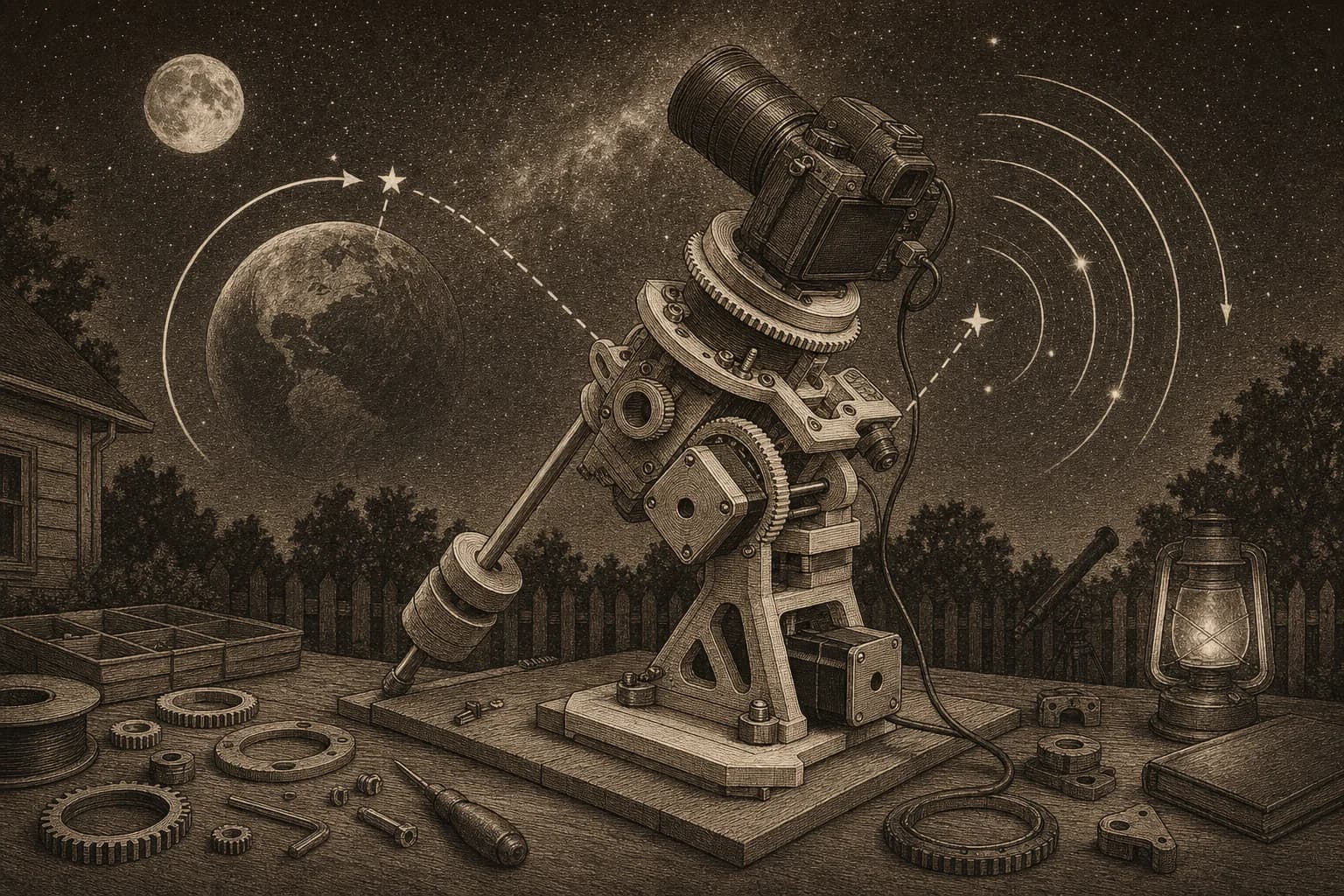
Builds an equatorial camera mount from affordable 3D-printed parts and stepper motors so the camera counters Earth's rotation for long-exposure astrophotography.
Visit OpenAstroTrackerOriginal Codex Image Gen concept art from 2026-07-10; carried forward from the validated 2026-07-25 edition.
Desk Picks are selected by the newsroom. Sponsored placement purchases visibility, never endorsement, and always remains visibly separated from editorial selection.
 Editorial illustration