research
Four Tokens Carry an Action Across Bodies
DreamX compresses each video frame's latent action from 1,200 tokens to four and uses the shared space across human and robot embodiments.
Summary
DreamX compresses each video frame's latent action from 1,200 tokens to four and uses the shared space across human and robot embodiments.
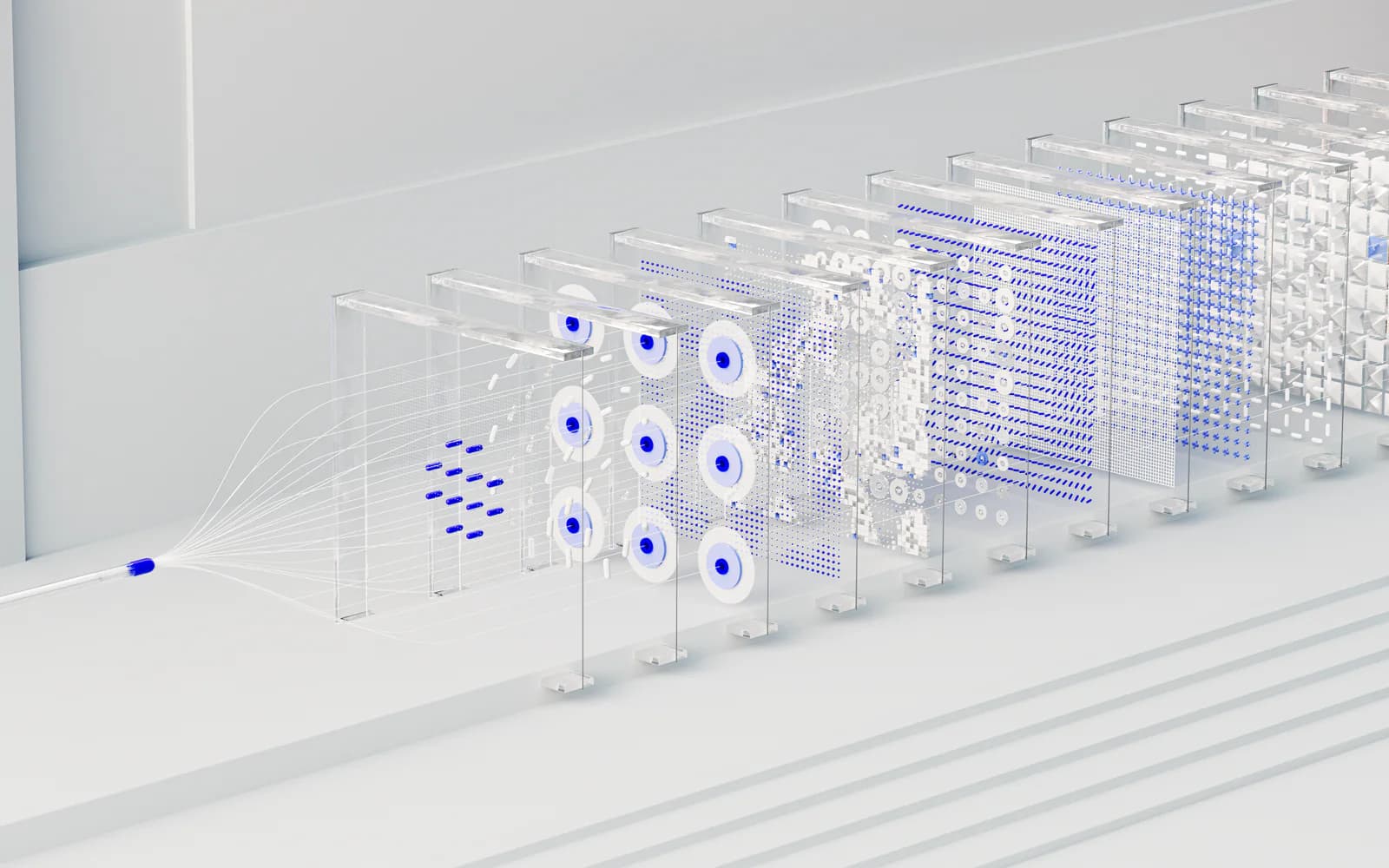
Latent-action models can mistake appearance changes for action. DreamX repurposes a pretrained video-diffusion model's spatiotemporal features, compressing each latent video frame by 300 times, from 1,200 tokens to four. The authors report state-of-the-art results among latent-action models on LARY-Bench, plus any-to-any video transfer and zero-shot action transfer across different embodiments and environments. The same compact interface also supports policy learning. These are benchmark and transfer results from the paper, not evidence of universal robot control.
Why it matters
DreamX compresses each video frame's latent action from 1,200 tokens to four and uses the shared space across human and robot embodiments.
Limits and context
- These are benchmark and transfer results from the paper, not evidence of universal robot control.
Key claims
DreamX compresses each video frame's latent action from 1,200 tokens to four and uses the shared space across human and robot embodiments.
Qualification: These are benchmark and transfer results from the paper, not evidence of universal robot control.
Evidence: source-2026-11-04-003
Sources
- arXiv preprint 2611.05377, original v1arXiv · primary research
Corrections
No corrections have been recorded for this story.