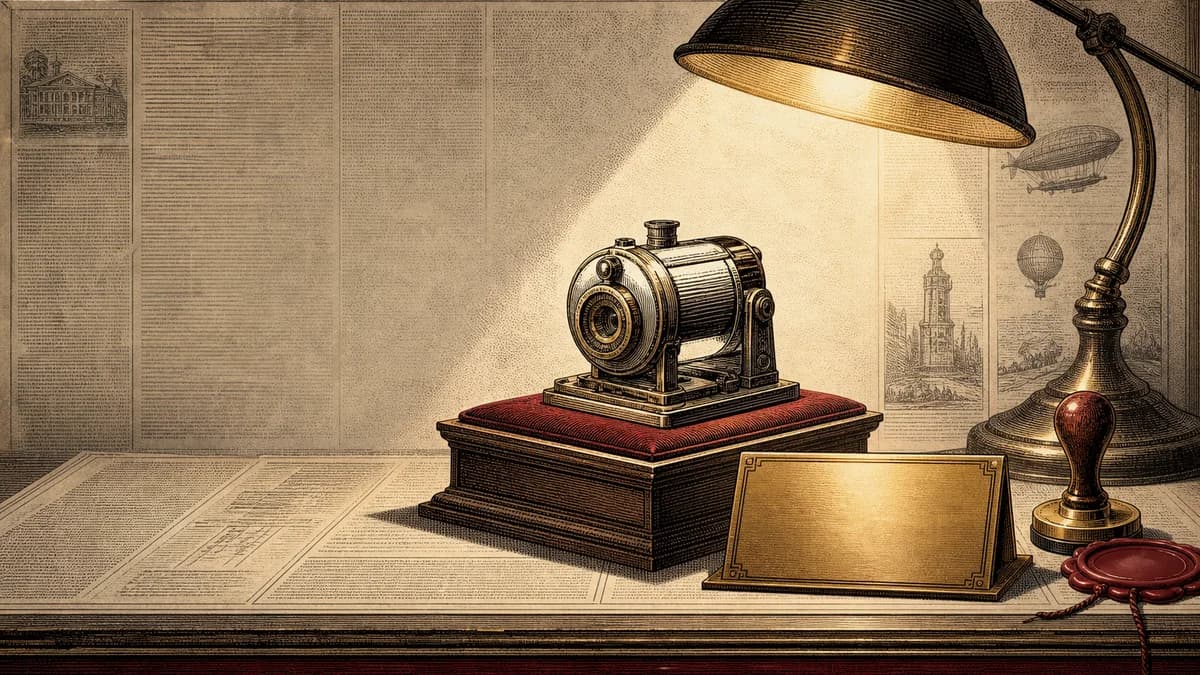
A 70-logical-qubit experiment paired computational difficulty with statistical evidence that the noisy machine had executed the circuit faithfully.
Editorial illustration
Original conceptual illustration of a hard logical-quantum circuit carrying its own fidelity evidence; it is not an IBM figure, device photograph or documentary image. Original editorial illustration generated with built-in Codex Image Gen for The Machine Press, 2026-08-02.
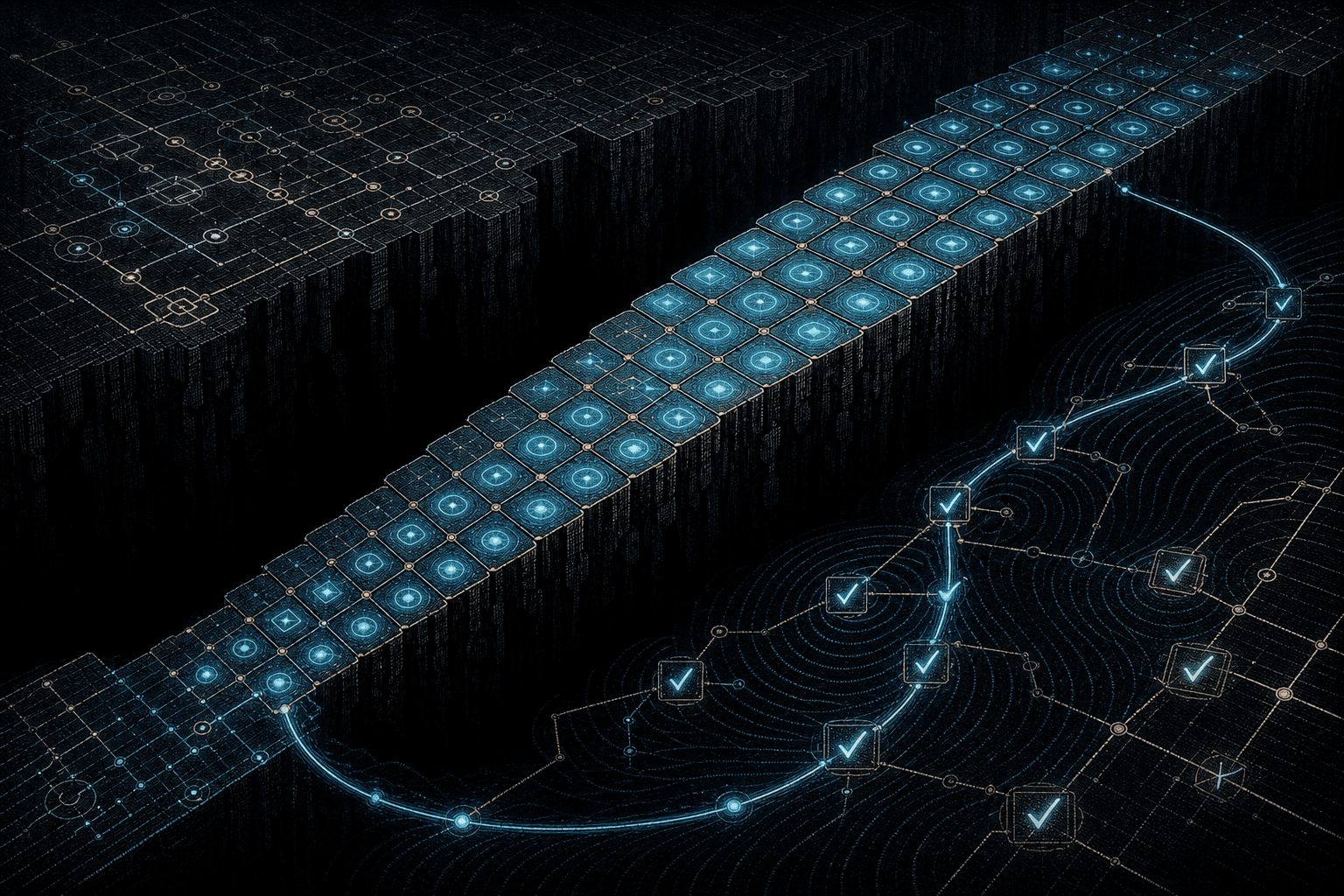
IBM and University of Chicago researchers report a structured sampling experiment designed to address quantum advantage's verification problem. The machine executed 70 logical qubits, 2,415 logical two-qubit operations and 468 logical T gates in about 15 minutes. The circuit construction retained the hardness associated with random-circuit sampling while enabling error evidence inside the same computation. The result is an arXiv preprint and the claim of practical classical inaccessibility depends on the simulation methods tested; it is not a general proof that every useful task now favors quantum hardware.
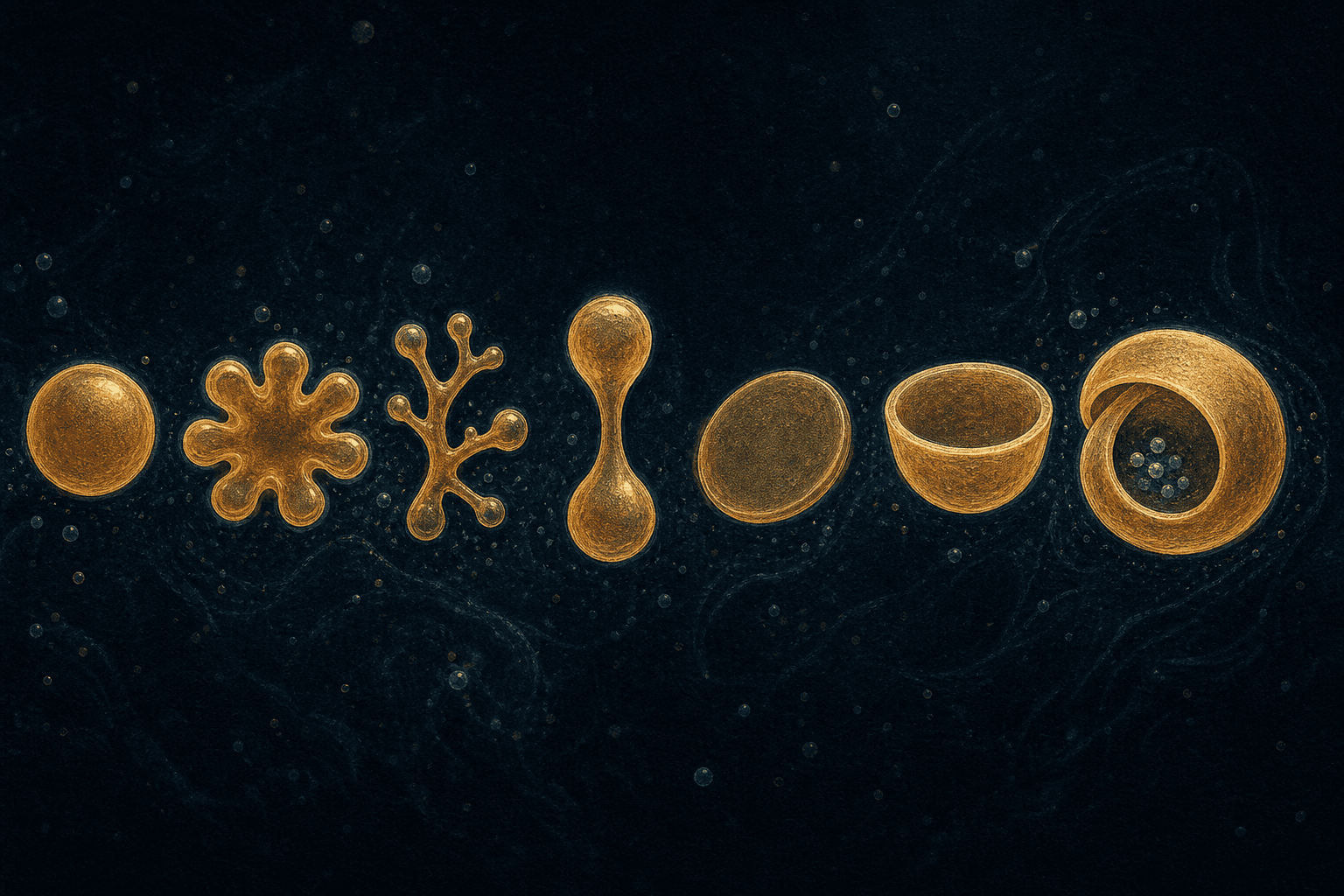
Original conceptual sequence of reversible colloid morphogenesis and engulfment; it is not microscopy from the NYU study and does not depict living cells. Original editorial illustration generated with built-in Codex Image Gen for The Machine Press, 2026-08-02.
Oil, water and a block copolymer produced reversible flowers, branches, cups and a nonliving version of cellular engulfment.
New York University researchers added the P123 block copolymer to microscopic oil droplets suspended in water and watched the spheres transform into flower-like forms, branches, dumbbells, disks and cups. Changing polymer concentration or temperature could reverse the sequence. Under selected conditions, a cup folded closed around surrounding liquid and suspended particles, resembling macropinocytosis without genes, proteins or cellular machinery. The work offers a controllable model for studying shape change and possible adaptive materials, but the droplets are not artificial life and no application was demonstrated.
Simultaneous orbital observations tied rolling plasma instabilities to bursts of atmospheric ion escape.
Researchers used simultaneous observations from multiple Mars orbiters to connect Kelvin-Helmholtz instabilities at the boundary between solar wind and the Martian upper atmosphere with bulk ion escape. The wave-like structures stirred plasma and carried atmospheric ions away from the planet. The measurements clarify one active loss mechanism and its response to the solar wind; they do not by themselves reconstruct the full history of Mars' missing atmosphere.
Illustrative CC0 wafer-scale circuit rendering; it does not depict ruthenium dioxide, the ultrathin film, its spin texture or the reported experiment. Wikideas1 / Wikimedia Commons (CC0 1.0); cropped and converted to WebP by The Machine Press.
Spin-resolved measurements found an intrinsic momentum-dependent texture in ultrathin ruthenium dioxide films.
Researchers grew fully strained, two-nanometer ruthenium-dioxide films and used spin- and angle-resolved photoemission to examine a disputed material. The observed spin texture survived symmetry and artifact checks and was compatible with weak ferromagnetism or altermagnetism. The measurements were made near 15 kelvin, so room-temperature behavior remains unknown; the study establishes strain as a plausible control knob, not a finished spintronic device.
A battery-powered touchscreen system identified six wild capuchins with 97% accuracy and tailored tests to each animal.
Emory and Georgia Tech researchers built CapuchinAI, a compact platform that recognizes an approaching wild capuchin, presents an individual touchscreen task and dispenses a food reward for a correct response. In Costa Rica field tests, a model trained on six known animals reached 97% identification accuracy and the monkeys learned the touchscreen-reward association. The proof of concept is open-source and intended as a scalable research tool; it has not yet demonstrated population-wide cognition monitoring.
Models weakened a later El Nino after targeted Pacific cloud brightening while moving rainfall risks toward Europe and Asia.
Climate-model experiments found that targeted marine cloud brightening in the southeastern Pacific could weaken a subsequent El Nino by cooling surface waters that feed the cycle. The same simulations produced remote shifts, including rainfall and temperature changes across Europe and Asia. The work explores a hypothetical intervention rather than recommending deployment, and it reinforces that a regional cooling action can redistribute risk across borders.
Live imaging and modeling indicate that parasite nuclei compete for a limiting replication resource, producing rapid asynchronous division.
A Heidelberg-led team tracked Plasmodium falciparum nuclei multiplying out of sync inside one infected blood cell. Their experiments and model indicate the nuclei compete for a shared, limiting protein resource needed for genome replication; changing that supply altered the timing pattern. A companion paper identified a molecular tether that connects each new nucleus to a budding daughter parasite. Together the studies explain organization in a strange division cycle and identify mechanisms for future drug research, not an immediate treatment.
HITRAP carried accelerator-made highly charged ions into a Penning trap and electron-cooled them there for the first time.
TU Darmstadt and GSI researchers stripped argon atoms of all electrons, produced the ions at roughly 30% of light speed, then reduced their kinetic energy by about 10,000 before storage in HITRAP's Penning trap. They also observed electron cooling of highly charged ions inside such a trap for the first time. The milestone establishes infrastructure for precision measurements with heavy ions; it is an enabling result rather than a new measurement of fundamental physics.
Generic laboratory file image; it does not show malaria parasites, infected cells, microscopy, the molecular tether or any study result. Rodolfo Clix / Pexels; cropped, resized, metadata stripped, and converted to WebP by The Machine Press.
Two proteins linked new Plasmodium nuclei to budding daughter cells; removing one collapsed viable progeny formation.
A second Heidelberg, Boston Children's and Harvard study identified two proteins forming a tether between each Plasmodium nucleus and the apical pole of a budding daughter parasite. Disrupting one component left genome replication intact but severely impaired correctly oriented, viable offspring; sporozoite formation in mosquitoes was nearly abolished. The mechanism is a potential antimalarial target, but the work has not yet produced a drug.
Spectroscopy found sacred baboon fur and ibis feathers share a brightness that may help explain Thoth's two animal forms.
Researchers measured light reflected from preserved baboon specimens and compared the spectra with moonlight. Sacred baboon fur, especially the pale cheek tufts and shoulder cape of males, was much closer to lunar light than olive baboon fur; sacred ibis plumage supplied a parallel white, rounded image. The study offers a testable perceptual explanation for two forms associated with the Egyptian moon god Thoth, but it cannot establish what every ancient worshipper intended.
Swedish infants without a recorded vitamin K injection had higher odds of bleeding, including intracranial hemorrhage.
A Swedish registry study followed more than two million infants born from 2003 through 2021. Among 24,089 without a recorded intramuscular vitamin K dose, the odds of any bleeding diagnosis by six months were about 1.5 times higher and intracranial bleeding odds nearly three times higher. Nonreceipt remained uncommon but more than doubled over the period. The observational design measures association and records, not every parent's reasons or perfect dose adherence.
Infants learned a made-up language only when they could see the speaker's eyes, and brain-to-brain coupling predicted the result.
Cambridge and Nanyang Technological University researchers showed videos of one speaker presenting three artificial languages to 42 infants in the United Kingdom and Singapore. Clear, shaded or opaque glasses changed whether her eyes were visible. The infants learned only the language paired with visible eyes, and adult-to-infant neural coupling predicted learning better than the infants' brain activity alone. The small controlled study supports eye contact as a social selection cue, not a universal prescription for every child or culture.
Primitive macrophages ate living donor cells across species; blocking the signal improved rat-pancreas generation in mice.
Science Tokyo and Stanford researchers describe xenophagocytosis, in which stressed donor cells expose phosphatidylserine and embryonic macrophages recognize it through Axl before adaptive immunity exists. Depleting host macrophages, disrupting Axl, adding the CD47 'don't eat me' signal or boosting ATP11C improved donor-cell survival. Suppression increased rat-pancreas generation in mice and human-cell survival in mouse chimeras. This remains embryo and animal research, far from transplantable human organs.
Conceptual artificial-intelligence file image; it does not depict KAIST's model, sensors, benchmark, driving conditions or experimental outputs. Novoto Studio / Google DeepMind / Pexels; cropped, resized, metadata stripped, and converted to WebP by The Machine Press.
A modality-adaptive decoder reduced cross-sensor hallucinations when cameras, lidar and other inputs degraded at night or in smoke.
KAIST researchers combined a sensor-understanding benchmark with modality-adaptive decoding that adjusts how much a multimodal model trusts each incoming channel. Tests included conditions such as darkness, fog, smoke and corrupted sensory inputs. The method reduced cross-modal hallucinations without retraining the full model and is intended for systems that fuse cameras with other sensors. Benchmark improvements do not establish safe autonomous operation in open-world conditions.
A Cas protein directly regulated neighboring antiviral systems, coordinating multiple layers of bacterial protection.
University of Michigan and collaborating researchers found that some CRISPR-Cas systems do more than cut viral genetic material: they regulate embedded anti-phage defense genes. The team showed a Cas protein binding regulatory DNA and switching nearby defenses on during infection. That architecture makes CRISPR a coordinator of a broader immune island, expanding the known function of the system while offering new tools for studying bacterial defense networks.
Researchers identified enzymes that start building atisinium, a foothold for sustainable synthesis of complex medicinal alkaloids.
Michigan State researchers mapped early steps used by highly toxic flowering plants to make atisinium-class diterpenoid alkaloids. The team identified enzymes that construct and fold the carbon scaffold and found an unexpected route for adding nitrogen. Reconstituting the entry steps creates a platform for studying a family that includes biologically active compounds difficult to synthesize. It does not establish a safe drug or scalable production process.
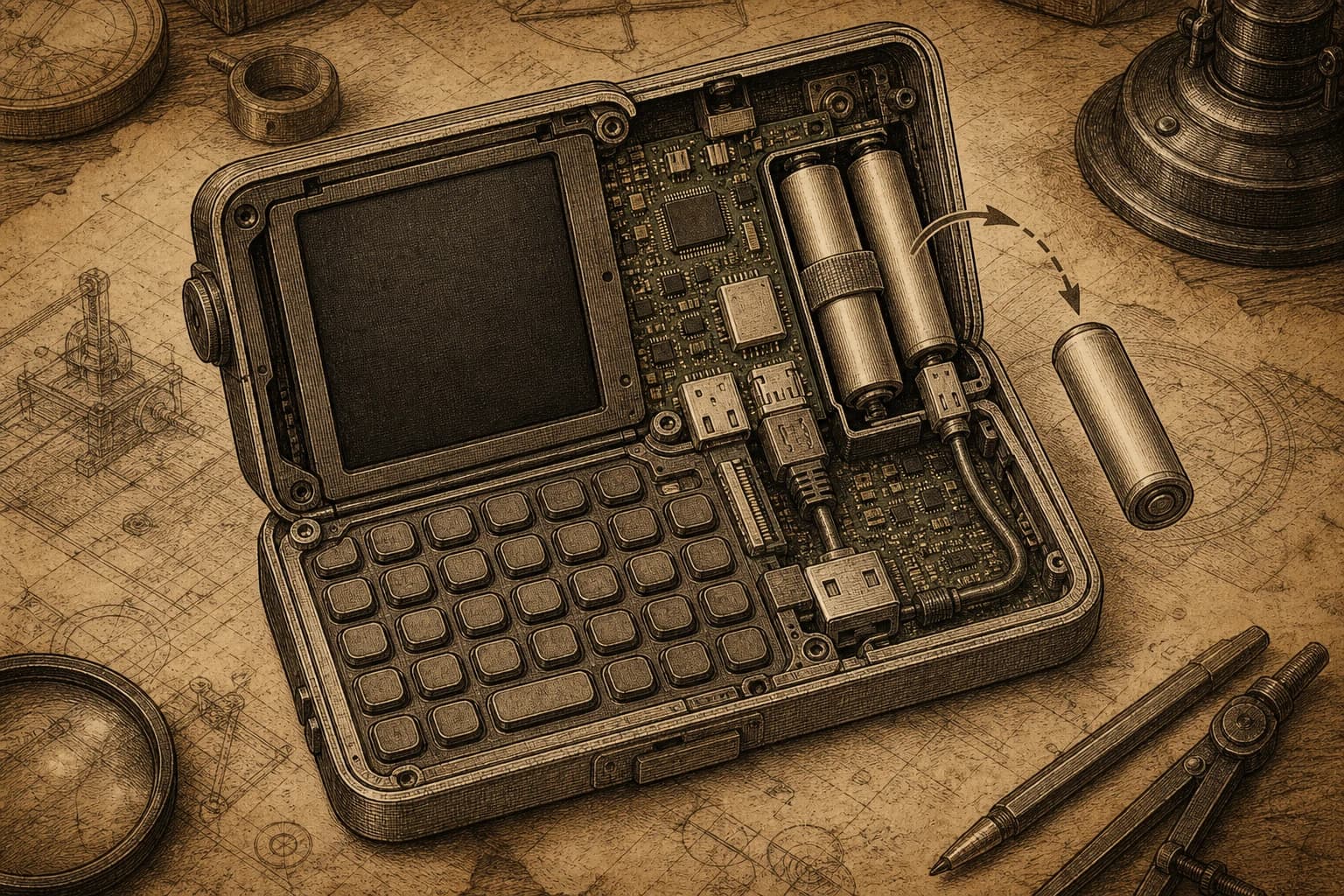
Packs a Raspberry Pi Zero 2W, square display, thumb keyboard, three USB ports, swappable batteries, and accessible storage into a palm-size Linux terminal.
Visit Hackberry Pi ZeroOriginal editorial concept art generated with built-in Codex Image Gen for The Machine Press, 2026-08-02.
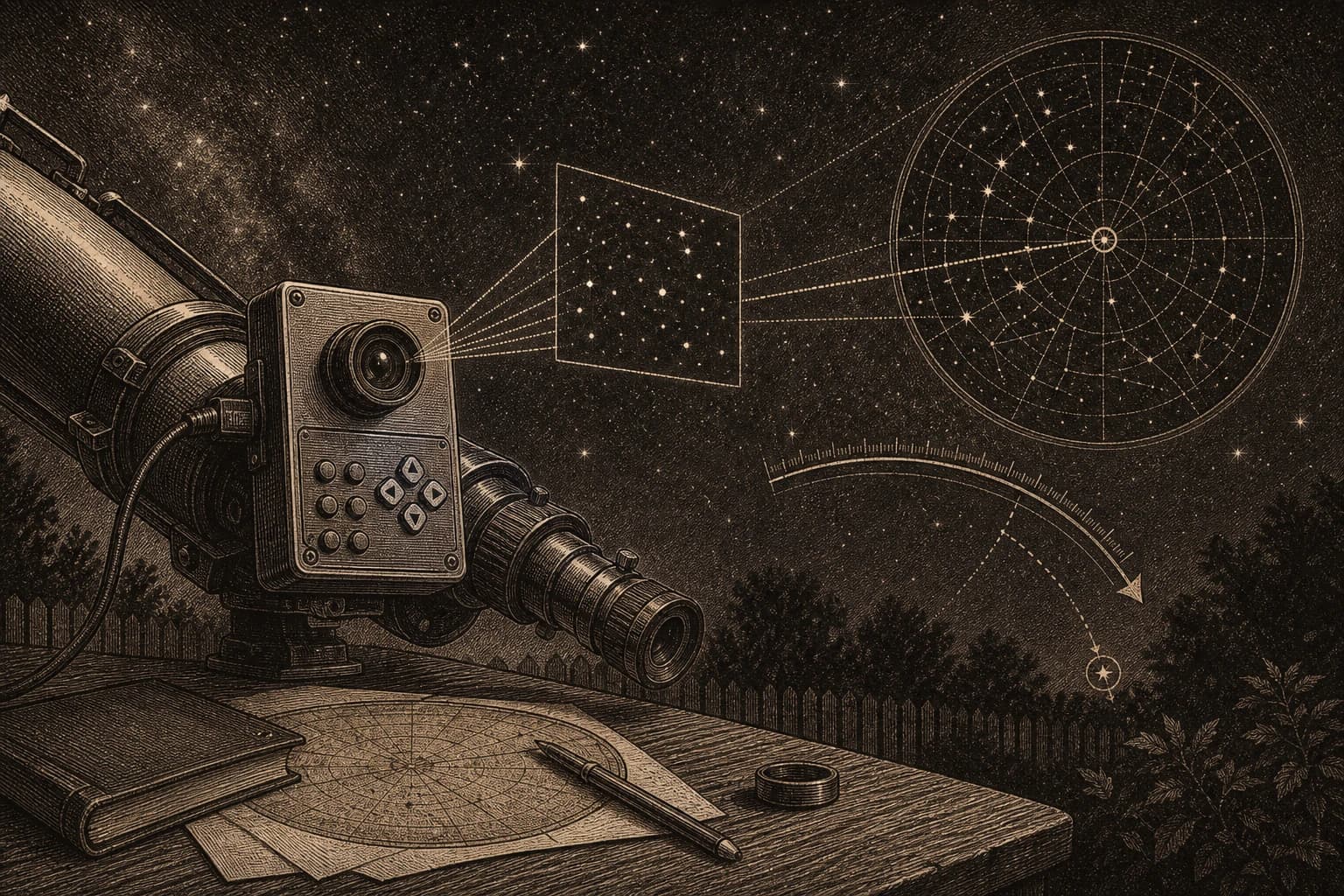
Mounts a Raspberry Pi camera beside a telescope, plate-solves the star field, and combines GPS and inertial sensing to guide push-to observing without a separate alignment routine.
Visit PiFinderOriginal editorial concept art generated with built-in Codex Image Gen for The Machine Press, 2026-08-02.
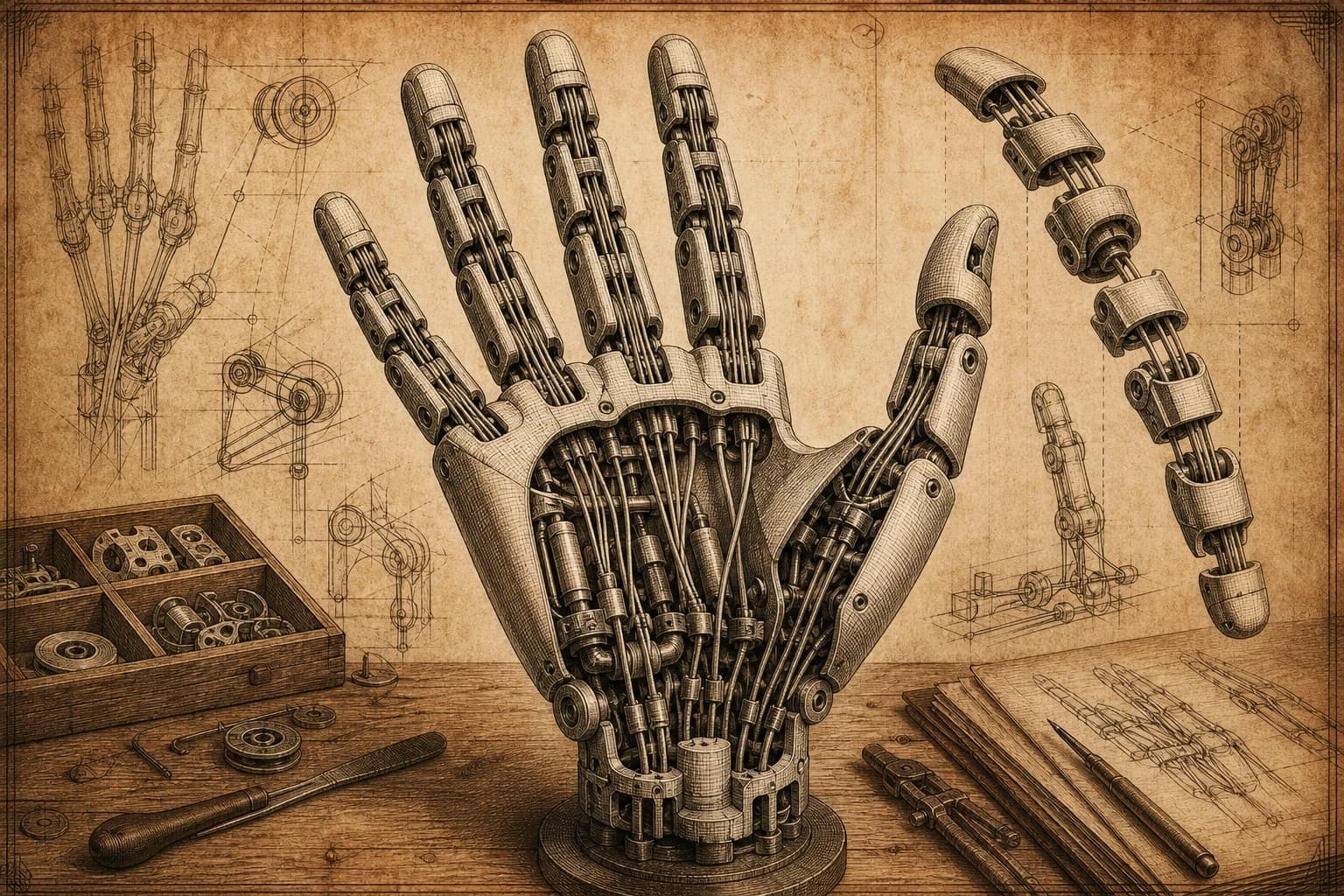
Routes tendons through a modular five-finger, 16-joint hand with seven controlled degrees of freedom, printable parts, firmware, an SDK, ROS 2 tools, and simulation assets.
Visit Aero Hand OpenOriginal editorial concept art generated with built-in Codex Image Gen for The Machine Press, 2026-08-02.
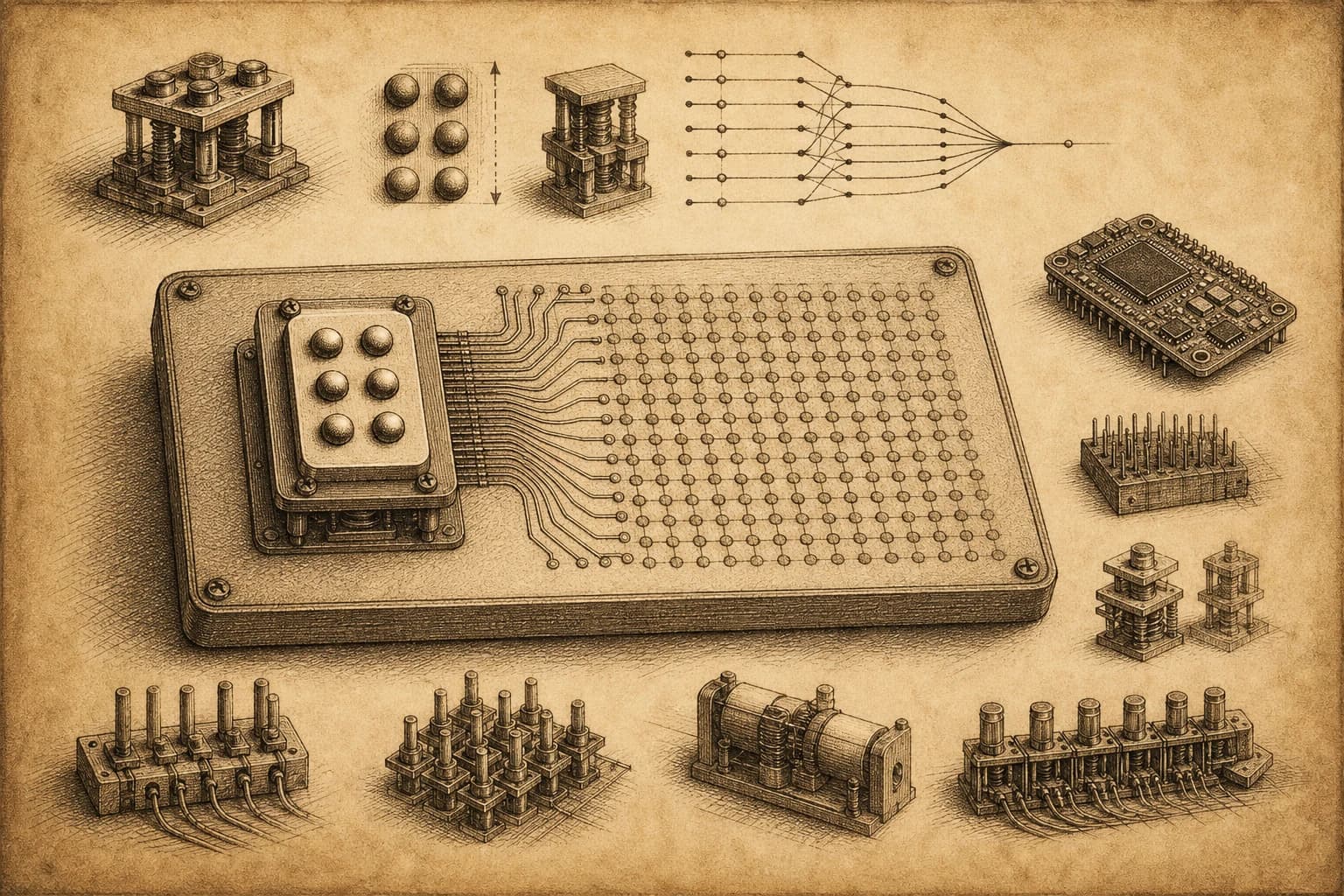
Explores pairing one physical refreshable Braille cell with a tactile sensor matrix representing virtual character positions, reducing the amount of moving hardware under study.
Visit BrailleTouchOriginal Codex Image Gen concept art from 2026-07-10; carried forward from the validated 2026-08-01 edition.
Desk Picks are selected by the newsroom. Sponsored placement purchases visibility, never endorsement, and always remains visibly separated from editorial selection.
 Editorial illustration